

Clinical Nutrition & Lifestyle Medicine
Informed by Evolutionary Medicine
We changed the world faster than it could change us.
Nutrition and lifestyle medicine for people who have been running at a high level for years and can no longer stand down.
You have probably had the tests and seen the specialists. Perhaps nothing definitive came back, or something did and the usual approaches haven't shifted it. What remains is a body that no longer recovers the way it used to.
The Allostatic Load Programme is a three-month programme for that picture. All laboratory testing is included, consultations are online, and it is designed to sit alongside the care of your GP or specialist rather than replace it.
Why I work this way
We changed the world faster than it could change us.
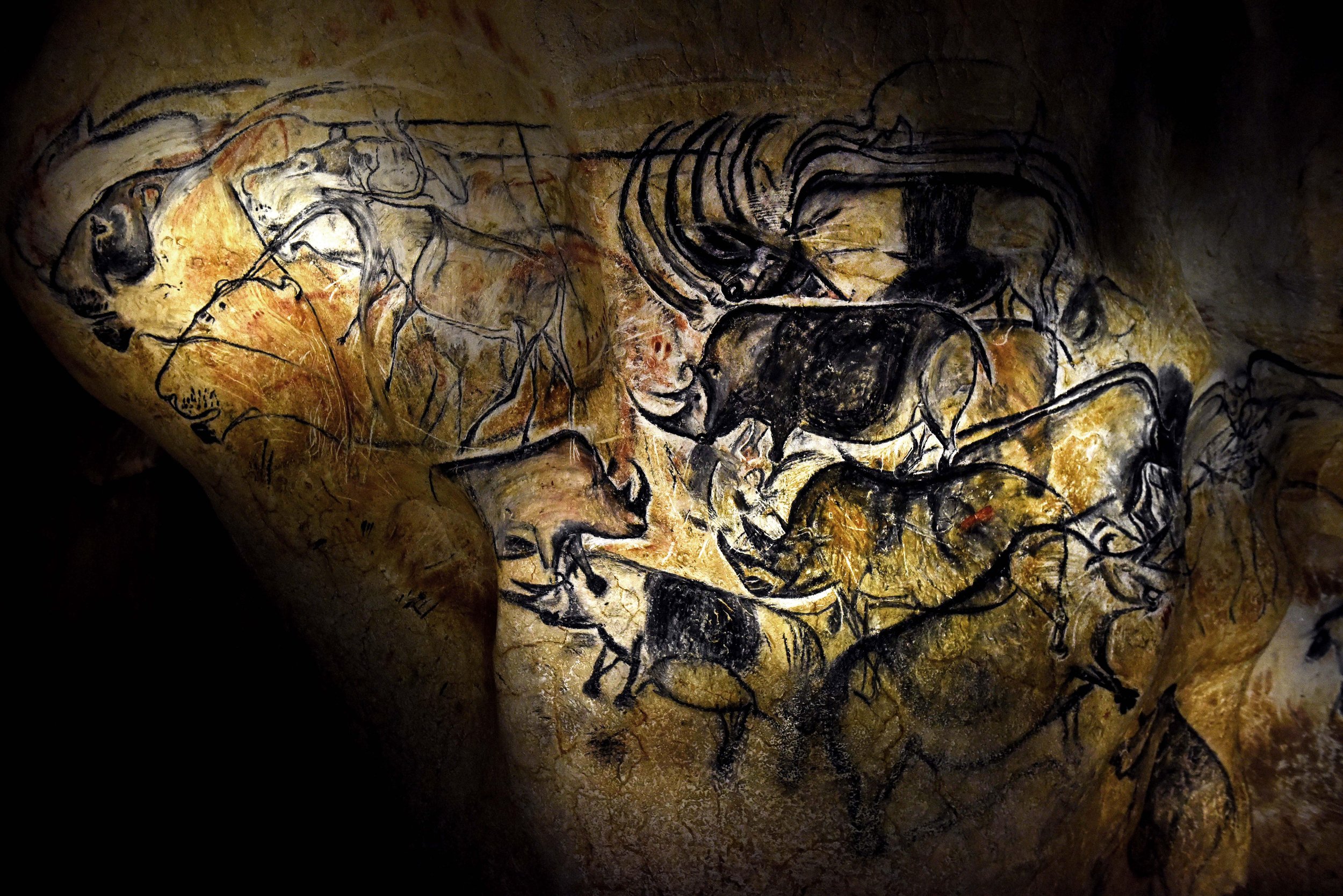
For roughly two million years, human biology was assembled under conditions that no longer exist. Agriculture arrived about ten thousand years ago. Industrial food, around a hundred and fifty. Our physiology has not caught up.
That gap is where I work.
My training is in biological anthropology, so I don't start by asking what has gone wrong. I start by asking what the body was built for — and where modern life pulls against it. For people whose health problems haven't resolved with the usual approaches, that turns out to be the more useful question.
The organ I keep coming back to
I'm particularly drawn to the brain. It is the organ that made us what we are — around two per cent of body weight, running on close to a fifth of our energy — and it is exquisitely sensitive to the conditions it operates under.
It is also, as McEwen put it, the central organ of stress: it perceives what counts as a threat, initiates the response, and is itself remodelled by that response when it never stands down. Much of my reading and research concerns how a modern environment meets an organ that took hundreds of thousands of years to build.
Alongside the practice
I am an independent researcher in evolutionary medicine, with work deposited as a preprint and a PhD programme in development. It is exploratory work, kept separate from clinical practice.
BSc (Hons) Biological Anthropology · MSc Nutrition and Lifestyle Medicine · Institute for Functional Medicine · Psychiatry Redefined

Dr Dan Lukaczer, Director of Medical Education at Institute for Functional Medicine, (AMFCP).